

Lesson Overview
Participant will learn about different types of personal data and information that might be shared online, particularly through social media platforms.
Participant will learn about different types of personal data and information that might be shared online, particularly through social media platforms.

Ready?
Begin Lesson
Privacy generally refers to freedom from intrusion but can vary widely based on personal choice and cultural context
Privacy includes someone’s right to control when and how their personal information is shared. Privacy also involves who information is shared with and how it is used by government, companies, and/or other people.
Online, privacy includes an individual’s right to control over personal data and digital content.
Many online spaces have privacy policies that give information to the public about what individual information is collected and how that individual information will be used. For many services you are encouraged to read these policies and terms of service and agree to them before signing up.
Additionally, people might have different ideas about privacy when it relates to specific types of personal information or certain audiences. As you progress through this module, think about your personal definition of privacy. You will have an opportunity at the end of the module to reflect on this topic.

Congrats!
You've finished the lesson

Students will better understand others’ perspectives and feelings in the context of individuals sharing personal information online.
View Page
Students will explore qualities that constitute healthy and kind relationships and how online behaviors play a role in both healthy and unhealthy relationships.
View Page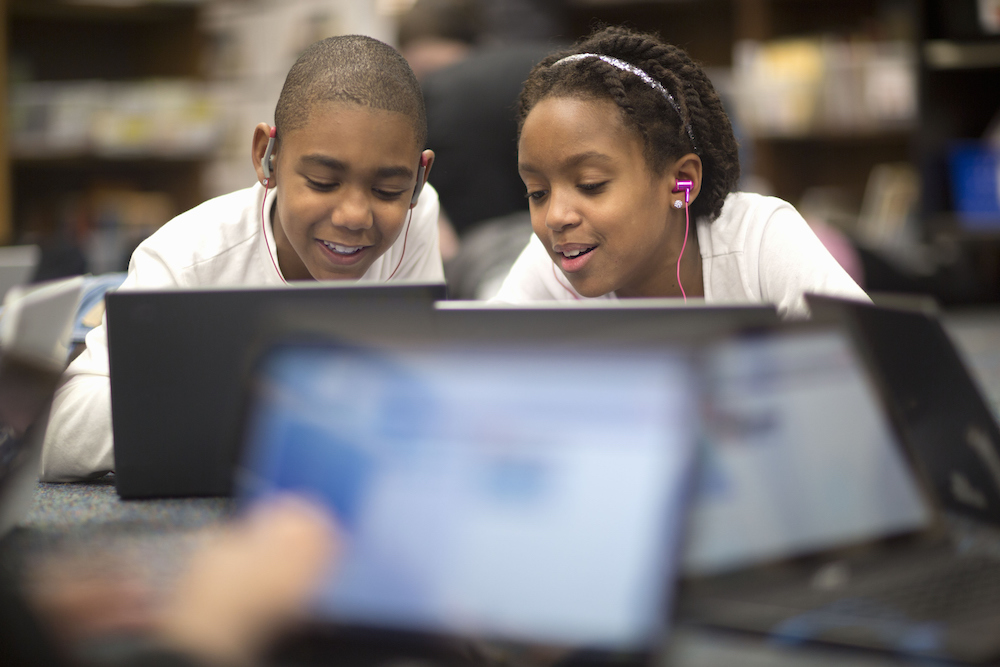
Students will learn what information verification is and why it is important for news consumers.
View Page
Students will learn about a five-step checklist they can use to verify the origin, source, date, location, and motivation of news.
View Page
Students understand basic AI concepts using relatable, culturally relevant analogies.
View Page
Students experience AI as a creative tool while understanding its limitations and need for human guidance.
View Page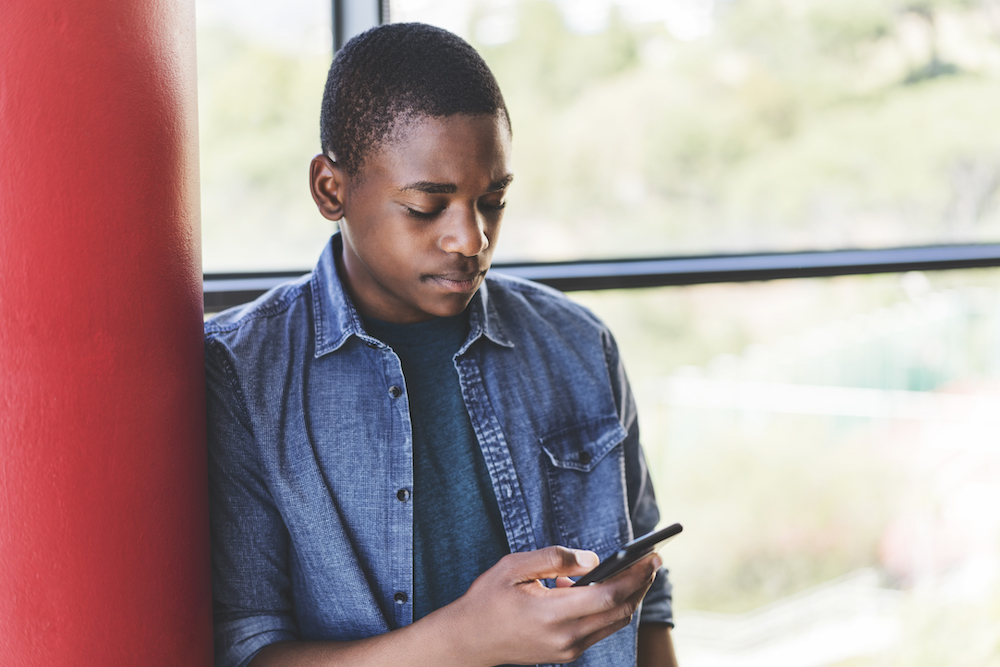
Students can evaluate AI use scenarios and make ethical decisions about AI in their academic and social lives.
View Page
Students acquire concrete skills for fact-checking AI content and protecting their privacy when using AI tools.
View Page
Participants understand AI capabilities and limitations enough to use it confidently and appropriately in daily life.
View Page
Participants can identify and use AI tools to solve common daily challenges while maintaining appropriate human judgment.
View Page
Participants can protect themselves and their families from AI-related risks using practical verification and privacy strategies.
View Page
Participants feel empowered to pursue AI-related opportunities and see themselves as creators, not just consumers, of AI technology.
View Page
Students will better understand others’ perspectives and feelings in the context of individuals sharing personal information online.
View Page
Students will explore qualities that constitute healthy and kind relationships and how online behaviors play a role in both healthy and unhealthy relationships.
View Page
Students will learn what information verification is and why it is important for news consumers.
View Page
Students will learn about a five-step checklist they can use to verify the origin, source, date, location, and motivation of news.
View Page
Students understand basic AI concepts using relatable, culturally relevant analogies.
View Page
Students experience AI as a creative tool while understanding its limitations and need for human guidance.
View Page
Students can evaluate AI use scenarios and make ethical decisions about AI in their academic and social lives.
View Page
Students acquire concrete skills for fact-checking AI content and protecting their privacy when using AI tools.
View Page
Participants understand AI capabilities and limitations enough to use it confidently and appropriately in daily life.
View Page
Participants can identify and use AI tools to solve common daily challenges while maintaining appropriate human judgment.
View Page
Participants can protect themselves and their families from AI-related risks using practical verification and privacy strategies.
View Page
Participants feel empowered to pursue AI-related opportunities and see themselves as creators, not just consumers, of AI technology.
View Page Back to Overview