

Lesson Overview
Students acquire concrete skills for fact-checking AI content and protecting their privacy when using AI tools.
Before you start the lesson, make sure to read through the lesson overview and the lesson preparation. The Facilitator Guide can also help you prepare.
Students acquire concrete skills for fact-checking AI content and protecting their privacy when using AI tools.

Ready?
Begin Lesson
Fact-checking AI content is like being a detective. Use TRACE - it's easy to remember because we're 'tracing' the truth!
Let's practice! If you saw an AI-generated news story claiming that your school is getting free iPads for every student, how would you use TRACE to check if it's true?
Let's play 'Privacy Checkup'! I'll show you what different AI apps might ask for. You decide if it's safe to share or not.
Permission Scenarios:
After each scenario: Ask students to explain their reasoning
Be extra careful with apps that aren't well-known in your country or across Africa. Some apps might sell your data or use it in ways you don't expect. When possible, use AI tools that don't require accounts or personal information.
Sometimes AI creates harmful content or you see others misusing AI. Here's what to do:
If you see harmful AI content:
If AI makes you uncomfortable:
In your country, you can report cyberbullying to local cybercrime units - like the Nigeria Police Force Cybercrime Unit, Kenya's National Computer Incident Response Team, or South Africa's Cybercrime Unit or talk to school counselors. Always remember - you're not alone, and asking for help is brave, not weak.

Congrats!
You've finished the lesson

Students will better understand others’ perspectives and feelings in the context of individuals sharing personal information online.
View Page
Students will explore qualities that constitute healthy and kind relationships and how online behaviors play a role in both healthy and unhealthy relationships.
View Page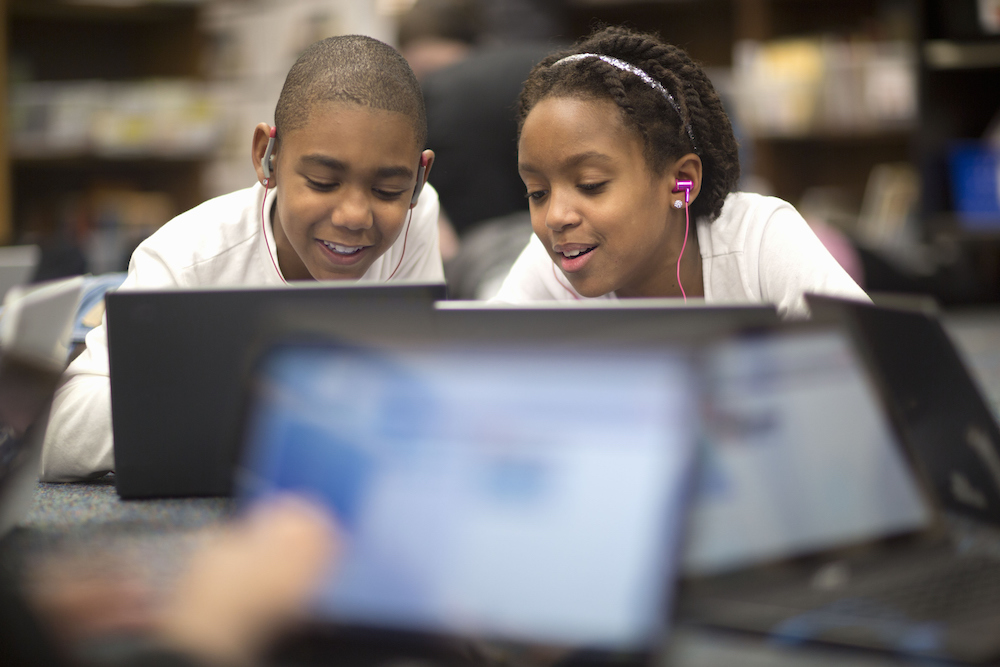
Students will learn what information verification is and why it is important for news consumers.
View Page
Students will learn about a five-step checklist they can use to verify the origin, source, date, location, and motivation of news.
View Page
Students understand basic AI concepts using relatable, culturally relevant analogies.
View Page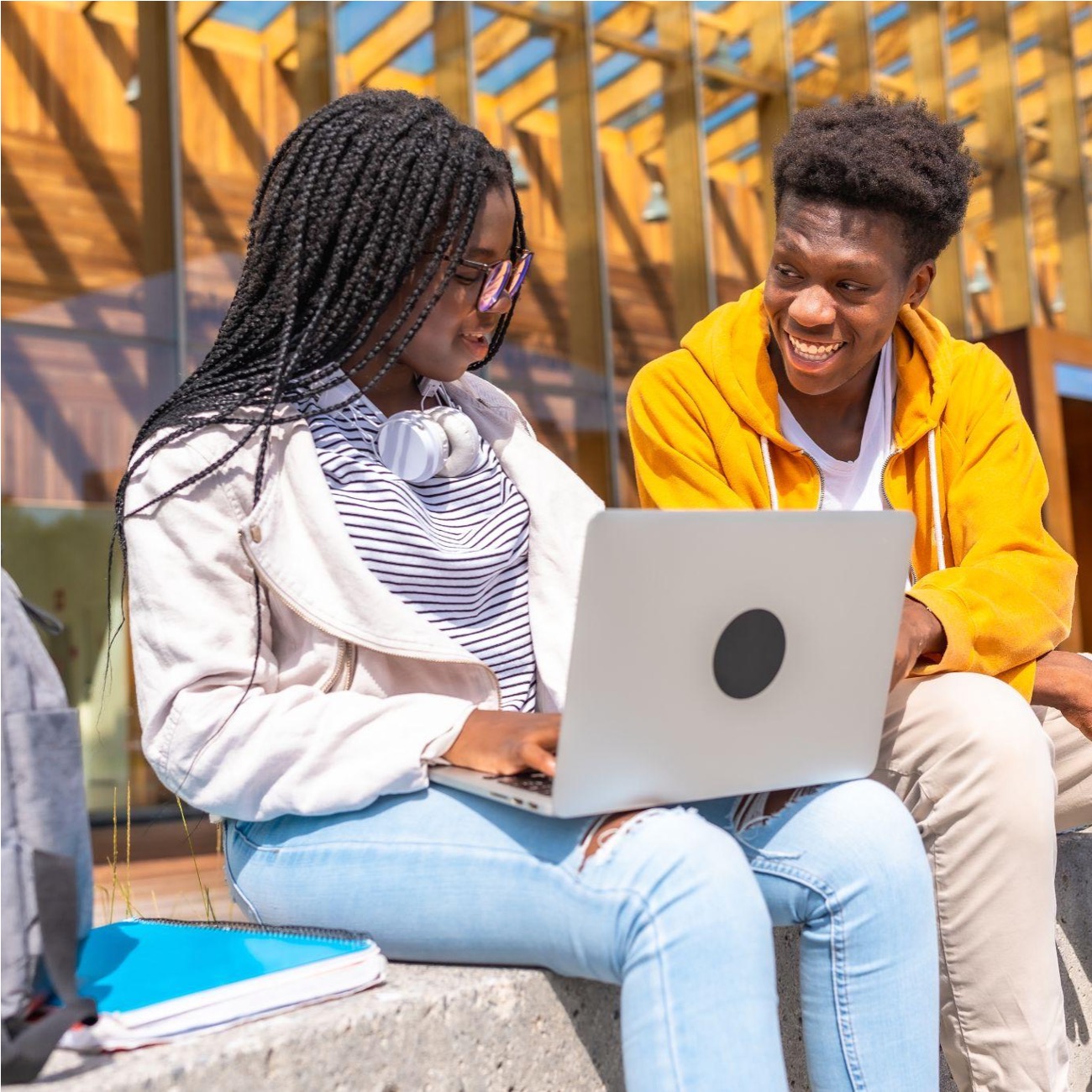
Students experience AI as a creative tool while understanding its limitations and need for human guidance.
View Page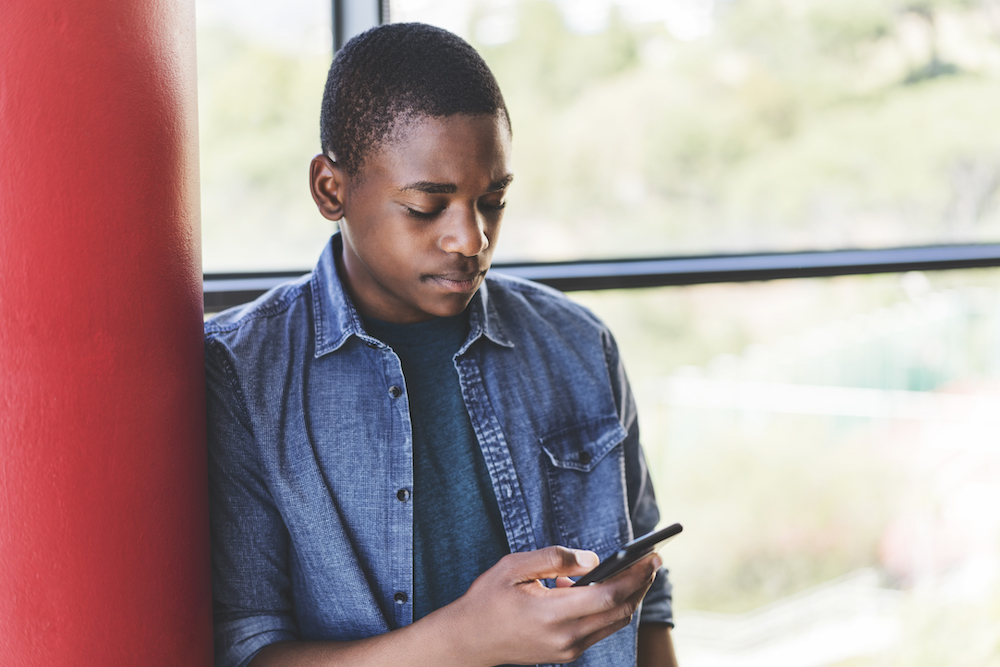
Students can evaluate AI use scenarios and make ethical decisions about AI in their academic and social lives.
View Page
Students acquire concrete skills for fact-checking AI content and protecting their privacy when using AI tools.
View Page
Participants understand AI capabilities and limitations enough to use it confidently and appropriately in daily life.
View Page
Participants can identify and use AI tools to solve common daily challenges while maintaining appropriate human judgment.
View Page
Participants can protect themselves and their families from AI-related risks using practical verification and privacy strategies.
View Page
Participants feel empowered to pursue AI-related opportunities and see themselves as creators, not just consumers, of AI technology.
View Page
Students will better understand others’ perspectives and feelings in the context of individuals sharing personal information online.
View Page
Students will explore qualities that constitute healthy and kind relationships and how online behaviors play a role in both healthy and unhealthy relationships.
View Page
Students will learn what information verification is and why it is important for news consumers.
View Page
Students will learn about a five-step checklist they can use to verify the origin, source, date, location, and motivation of news.
View Page
Students understand basic AI concepts using relatable, culturally relevant analogies.
View Page
Students experience AI as a creative tool while understanding its limitations and need for human guidance.
View Page
Students can evaluate AI use scenarios and make ethical decisions about AI in their academic and social lives.
View Page
Students acquire concrete skills for fact-checking AI content and protecting their privacy when using AI tools.
View Page
Participants understand AI capabilities and limitations enough to use it confidently and appropriately in daily life.
View Page
Participants can identify and use AI tools to solve common daily challenges while maintaining appropriate human judgment.
View Page
Participants can protect themselves and their families from AI-related risks using practical verification and privacy strategies.
View Page
Participants feel empowered to pursue AI-related opportunities and see themselves as creators, not just consumers, of AI technology.
View Page Previous Lesson